
Walk and talk therapy at Snitterfield Bushes Nature Reserve offers something quietly extraordinary – a therapeutic space held not just by a counsellor, but by nature itself.
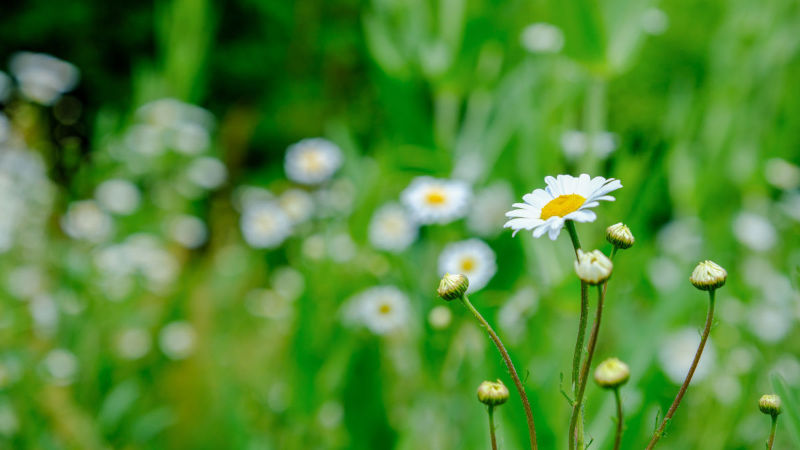
A place I have known all my life
Snitterfield Bushes Nature Reserve sits just outside the village of Snitterfield, near Stratford-upon-Avon in Warwickshire. For me, these woods are not simply a location I have chosen for therapeutic work – they are a place I have known since childhood.
I grew up coming here as a little girl, walking these paths long before I understood what they would one day mean to me. The light through the trees, the particular quality of stillness, the way the seasons change the mood of the place entirely – all of this is deeply familiar to me. I know these woods well, and I hope that familiarity offers something to the clients I walk alongside here.
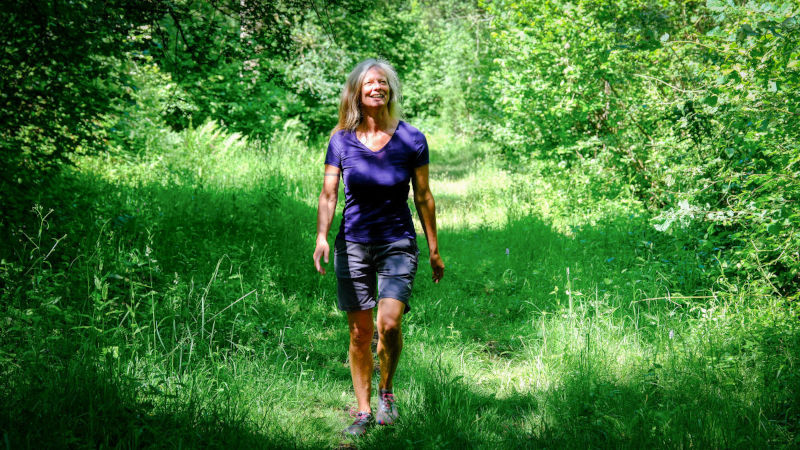
There is a difference between a counsellor who has selected a location from a map, and one who carries a lived relationship with a place. Snitterfield Bushes is somewhere I return to again and again – not just for therapeutic work, but for my own restoration. That feels important.
The flora and fauna of Snitterfield Bushes
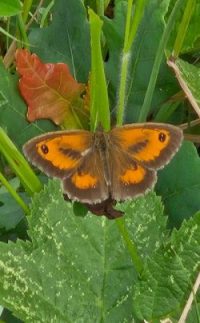
Snitterfield Bushes is a Site of Special Scientific Interest (SSSI), managed for its rich and diverse woodland habitat. Walking here, you might encounter:
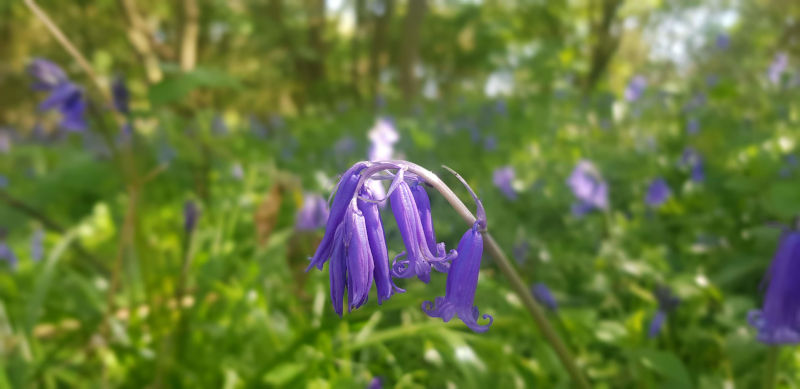
- Ancient woodland flowers including bluebells, wood anemones and yellow archangel in spring
- A wide variety of bird species – listen for the call of a nuthatch, the drum of a woodpecker, or the song of a blackcap overhead
- Roe deer moving quietly through the trees
- Butterflies including the white admiral, silver-washed fritillary and gatekeeper in summer
- The particular scent of woodland – earth, bark, damp leaves – which changes with every season
This richness is not incidental to the therapeutic work. It is part of it.
Nature as a therapeutic holding space
There is something that happens when we step into woodland that is difficult to articulate but impossible to ignore. The nervous system settles. Breath deepens. The internal noise that so often accompanies difficult feelings begins, gradually, to quieten.
In person-centred counselling, we speak of the importance of holding – of creating a space that is safe enough for real exploration. In my experience, nature offers its own form of holding. The trees do not judge. The path simply continues. The light shifts and changes but the woods remain.
Walking alongside someone in this environment feels fundamentally different to sitting across from them in a room. There is less confrontation, more companionship. The side-by-side quality of walking – both of us moving through the same space, neither positioned above the other – can free something in a person that a therapy room sometimes cannot reach.
I have walked with clients through grief, through anxiety, through the slow and painful work of trauma. And I have watched, time and again, as nature offers something back – a metaphor that arrives unbidden, a moment of unexpected beauty that interrupts a difficult feeling, a sense of being held by something much larger than either of us.
For neurodivergent clients in particular, the woodland setting can offer a freedom that a therapy room sometimes cannot. The absence of direct eye contact, the movement, the sensory richness of the natural environment – all of these can make it easier to think, to feel, and to speak. Many neurodivergent people find they come alive in nature in a way that enclosed spaces simply don’t allow.
Reverence for the natural world
I come to this work with a deep respect for nature – not as a backdrop or a setting, but as an active presence in the therapeutic process. The woods at Snitterfield Bushes have their own rhythms, their own wisdom, their own way of being. I try to bring clients into that relationship gently, without imposing meaning, but remaining open to whatever the landscape offers.
Sometimes a fallen tree becomes a metaphor for something a client is carrying. Sometimes the simple act of noticing a wildflower – really noticing it, stopping for a moment – becomes a doorway into something that has been hard to access. Nature has a way of meeting us where we are.
I hold a genuine reverence for these woods and for what they make possible. That reverence, I hope, is something clients can feel.
What can I expect at a walk and talk session at Snitterfield Bushes?
Sessions take place on the paths and tracks within the reserve, which I know well. The terrain is generally gentle, though it can be muddy in winter and spring – walking boots or wellies are recommended for those seasons.
I have completed a full risk assessment for this location and am happy to share this with any client on request.
We will always meet at a mutually agreed point, and once you know the route, you are welcome to lead the way. Sessions are 50 minutes, at whatever pace suits you on the day.
If the weather makes outdoor work unsuitable, we can switch to an online or telephone session, or meet at my Therapy Shed in Snitterfield – just a short distance from the reserve itself.
How do I get to Snitterfield Bushes Nature Reserve?
Snitterfield Bushes Nature Reserve is located near Snitterfield village, Warwickshire, a few miles from Stratford-upon-Avon. I will share specific meeting point details when we arrange our first session.
Would walk and talk therapy suit me?
If you are curious about whether walking alongside a counsellor in nature might offer something that a therapy room has not, I would love to hear from you. There is no obligation – just a conversation to see if it feels like the right fit.
You can find out more about how walk and talk therapy works on my walk and talk counselling page.
📞 07886 082333
✉️ counsellingwarwickshire@gmail.com
Or complete my contact form
🌿 Sessions at Snitterfield Bushes Nature Reserve, near Snitterfield and Stratford-upon-Avon, Warwickshire
This article was written by Jenny Yates, Accredited NCPS Counsellor and Counselling Supervisor offering walk and talk therapy in Warwickshire.